
Downtime costs money, customers, and reputation. Still, PwCfound that only24 percent of organizations invest in proactive solutions, while the rest wait for problems to happen. Most companies can't justify building and maintaining high-performance IT infrastructure internally, explaining why the managed cloud services market continues to rise.
Deloitte's 2024research shows60 percentof organizations now rely more heavily on third-party providers for AI initiatives, andover half have formed new partnerships specifically for artificial intelligence. But there's a problem: everyone claims to be an expert in cloud-managed services and IT outsourcing solutions. Finding a partner that actually delivers genuine long-term value requires looking beyond marketing claims.
Why choosing the right managed services partner matters
Your managed services provider plays a bigger role than most executives realize. They manage your uptime, protect your data, and determine whether you can scale quickly when opportunities arise.
Deloittereports that67 percentof executives now use managed or operated services – up from45 percent two years ago. Companies are realizing what works: specialized partners deliver better results in areas like AI integration, cybersecurity management, and multi-cloud orchestration than most internal teams can build from scratch.
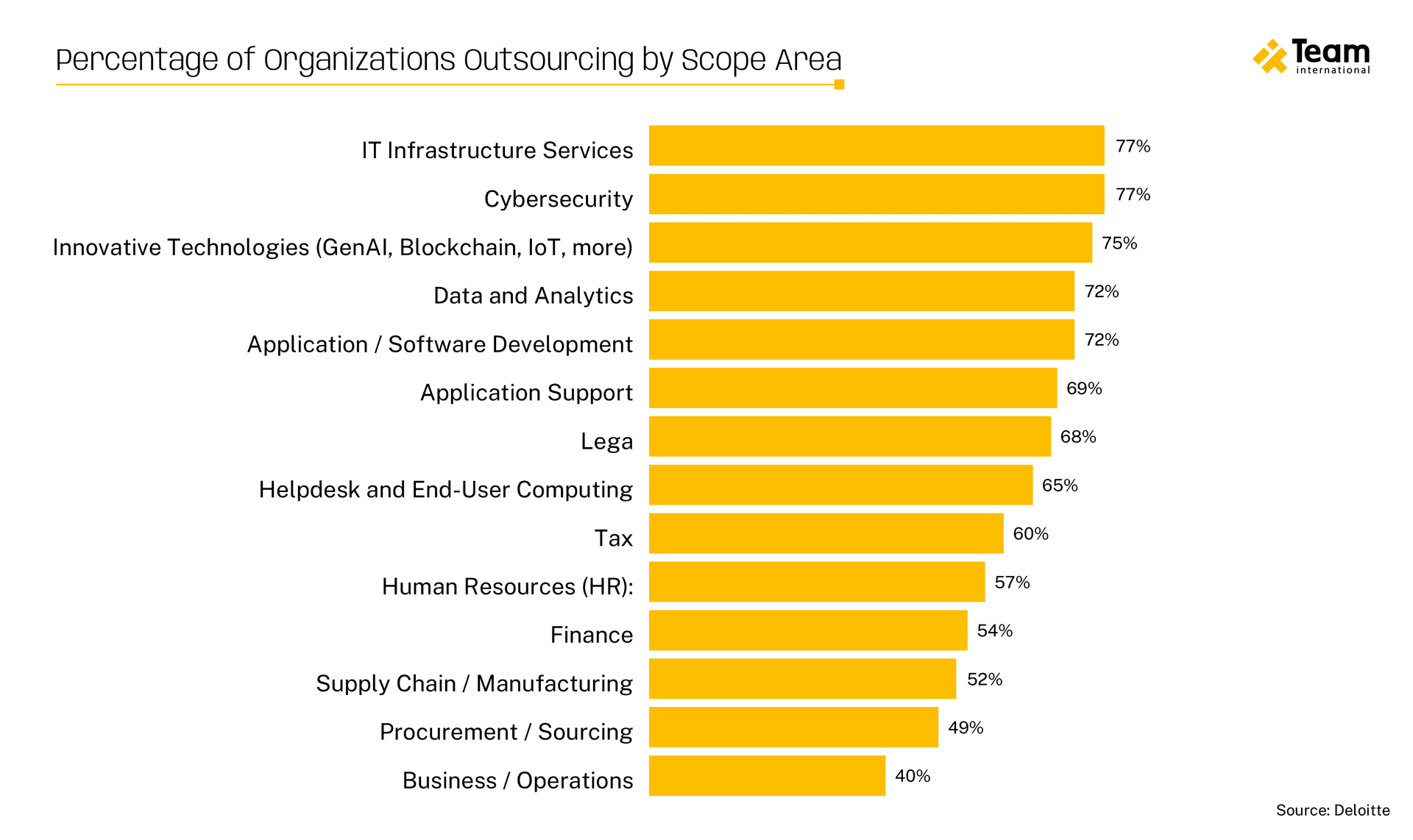
Beyond technical capabilities, we believe that a strong, trust-based relationship is more important. The best providers don't just respond to tickets – they learn your business, understand your industry pressures, and anticipate problems before you notice them. What makes a great partner is not in what services they deliver, but in how deeply they understand and support your long-term growth.
Key criteria for evaluating managed service providers
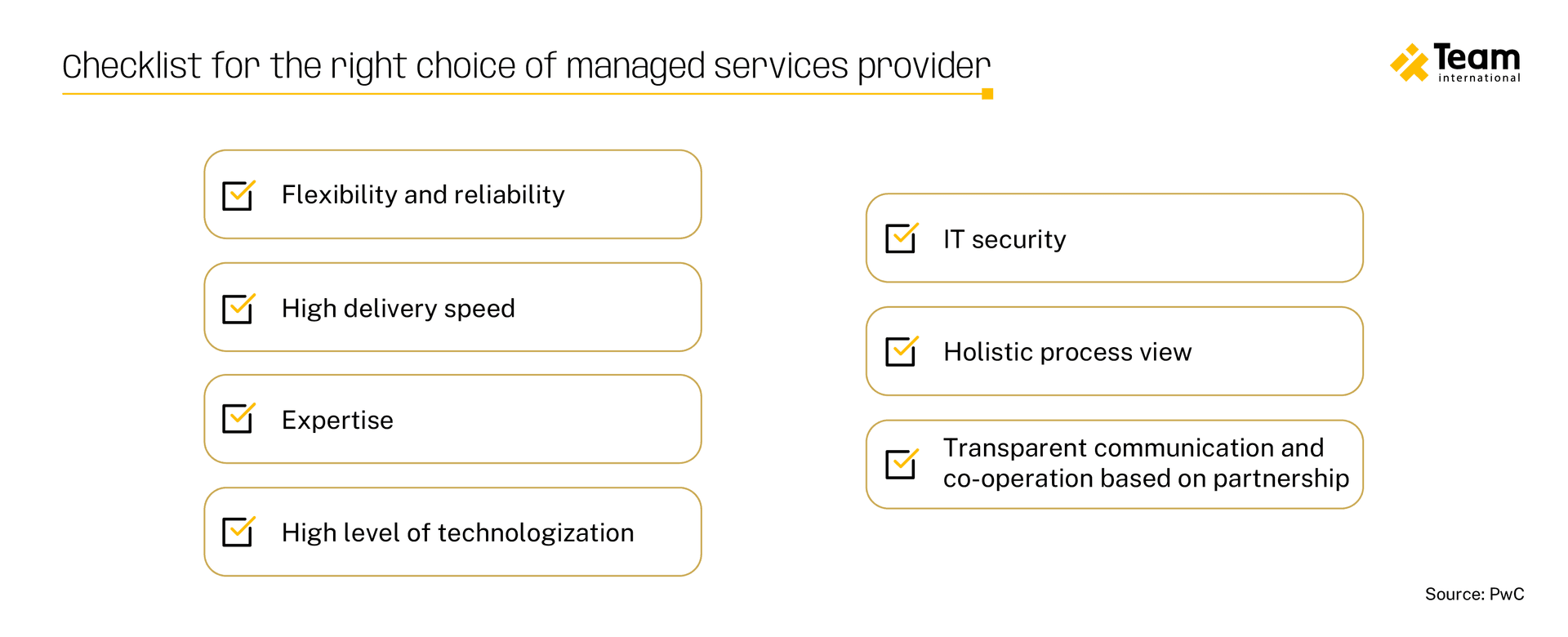
PwC’sManaged Services Study identified critical characteristics that define outstanding managed service providers, with survey respondents emphasizing thespeed of delivery(91 percent) and technological sophistication (87 percent) as particularly crucial factors.
#1 Technical expertise and industry specialization
Your provider needs to know your tech stack inside and out. That means certifications from AWS,Microsoft Azure, andGoogle Cloud Platform. Look for proven experience with managed cloud services, digital transformation solutions, and industry specialization that match your specific needs. A provider that understands your sector already knows your regulatory requirements, anticipates your challenges, and brings only the best practices that work in your business.
#2 Flexibility, scalability, and technological sophistication
Outstanding vendors adapt their services to your specific targets and capabilities rather than forcing you into rigid packages. Equally important is that a digital transformation journey requires a partner equipped with cutting-edge technology to deliver scalable services that represent a step change in efficiency. Your managed cloud service provider should integrate seamlessly with existing systems, assist with selecting solutions, offer cloud migration services, and provide ongoing support across multiple platforms.
#3 Security, compliance, and holistic process management
With cyber threats constantly evolving, your technology outsourcing partner must maintain strict security measures and adhere strictly to recognized standards, with verified certifications and demonstrated experience in cybersecurity management Beyond security, providers must take a comprehensive view of your operations to leverage process synergies and eliminate redundancies. This involves integrating IT compliance solutions smoothly into existing workflows while identifying continuous opportunities for efficiency improvement.
#4 Partnership quality and proven results
Transparent communication forms the backbone of successful long-term relationships. Evaluate whether your potential providers demonstrate a culture of transparency through regular meetings, detailed reporting, and proactive problem identification. Strong customer support services mean understanding your business context and responding with solutions tailored to your specific needs.
The best partners go beyond basic assistance – they offer strategic IT consulting services that help you plan technology roadmaps and make informed decisions about future investments.
Understanding service level agreements
Service level agreements (SLAs) are your protection when things go wrong, and they separate providers who guarantee reliability from those who just talk about it. Yet many organizations sign SLAs without understanding what they're actually getting.
Strong agreements include specific and measurable targets tailored to your business – generic industry standards won't cut it. High uptime guarantees can sound impressive on paper, but you need to understand how they're calculated and what counts as downtime. Watch for exclusions, and make sure the clock starts when problems occur, not when someone decides to acknowledge them. This level of detail matters since it defines how effectively your provider handles IT service management under pressure.
Demand real-time dashboards that display system health and incident status. But if your provider resists giving you this level of access, you've learned something valuable about how they'll handle problems down the road.
Security and compliance considerations
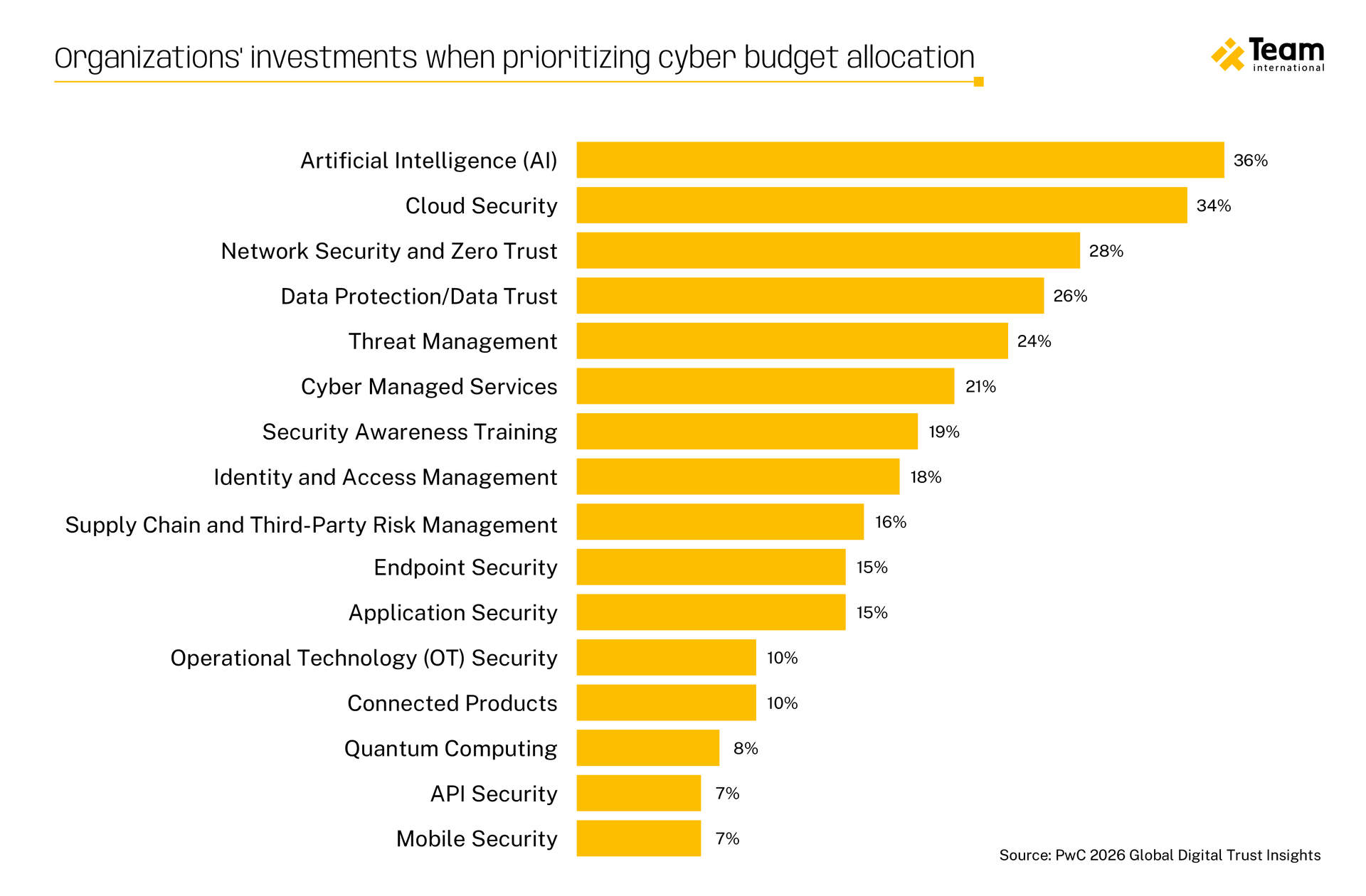
Cybersecurity isn't negotiable, yet it's where many organizations make their most critical mistakes when selecting IT support services. In fact, PwCstated that30 percent of high-growth companies position cyber managed services as their top three investment priorities. And for obvious reasons: data breaches and compliance violations can directly impact customer trust.
Your provider's approach to security and compliance will determine your organization's risk exposure. Look for comprehensive managed security services that extend beyond basic protection, which means 24/7 network monitoring services. But more importantly, they should follow recognized frameworks (NIST, ISO 27001, CIS Controls) and explain to you exactly how they apply these standards to protect your operations.
Long-term benefits of a strategic MSP partnership
Skill shortages have become one of the biggest barriers to technological progress. PwCfound that53 percent of companies now prioritize AI and ML tools to close capability gaps. At the same time, MSP services have emerged as accelerators that provide IT expertise that internal teams can't build fast enough.
Among the vast benefits that the right partnership can bring to your business over time are:
- Digital transformation and competitive advantage
- Reduced burden on internal IT teams
- Seamless cloud infrastructure management
- Advanced remote infrastructure management capabilities
- Proactive security and compliance monitoring
- Cost optimization and measurably better ROI
Make the right choice
Selecting the right managed IT services provider determines whether your IT infrastructure accelerates or hinders growth. We know that the evaluation process takes time, but cutting corners here will ultimately lead to higher costs in the long run.
Ready to collaborate with a technology outsourcing partner that turns your infrastructure into your greatest business advantage? Connect with TEAM's Managed & Professional Services Studio experts today Our comprehensive services are tailored to scale with your ambitions and goals in mind.